Lately, it's been two things exclusively: the stupid liberals are talking about mailbombs nonstop and the evil conservatives can't stop covering the migrant caravan (although, I notice, they never actually show pictures of it - easier to be afraid of the unknown, I guess). Literally, hours on end with no interruption, like these are the two biggest issues in the world.
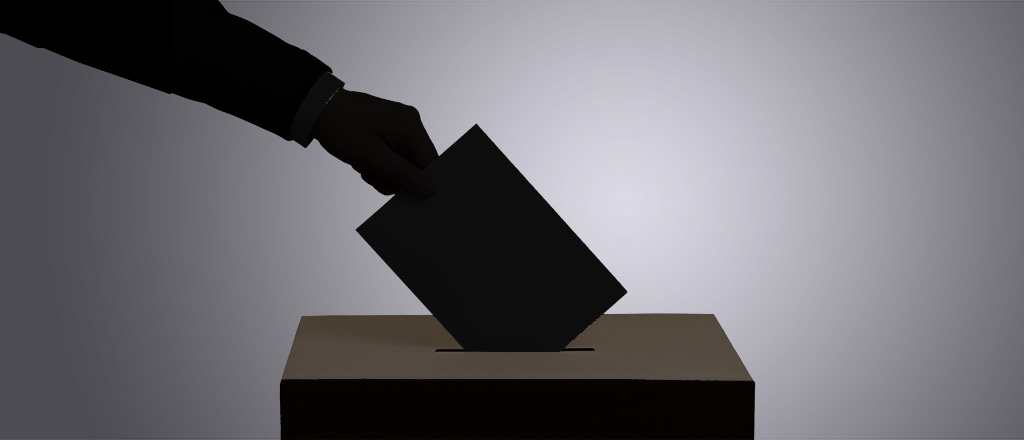
I hope you recognize that neither is significant. They're manufactured either by the networks themselves, because they drive ratings, or by the politicians who think they can score easy point. It's not that security or immigration isn't important, but that these specific things - the "bomb" in the mail and this particular group of migrants - are way down on the list of things that have an impact on daily life. What's not getting covered on these channels? Elections and the issues that matter to the people represented by the Congress getting elected right now.
Those things are left to the other channel, during commercial breaks, where politicians are lobbing toxic lie-bombs at one another non-stop, because the only people who can actually be influenced in an election have no time for FauxNews or CNN. Those networks only cover things that get their audience the angriest, because driving voter turnout is what matters.
It's all a game and no one wins. Voters aren't even capable of winning. It's just a system where a few power brokers fight over the ability to keep power. They've self-selected two teams and throw out shibboleths so people can tell on which side they belong. It's a zero-sum, go-team-go kind of thing, where it doesn't matter so much if we win, so long as other guy loses.
I mentioned on Facebook the other day that I don't vote for anyone who knocks on my door or leaves a flier on my porch. The response I got was, "don't you want candidates to talk to you about issues?" Maybe, but I've never seen that happen. When people come to my door, they don't ask what I care about, they try to convince me to vote for them, usually by appealing to one of the aforementioned, self-selected, focus-group approved issues.
No one is looking for or working towards solutions; if they do that, they're not in office very long. Politicians want to be re-elected. To do that, they have to distract you from what really matters with things that make you angry or scared or both.
This is why, when we, once in a while, get someone so proficient at making you feel heard, someone capable of being both charismatic and articulate, someone good at masking how truly power-hungry they are, we elect them in a landslide. That's what we call Presidential. And just to combat the bias here, Barack Obama is the worst offender at this. Yes, I preferred his Presidency to the alternatives, but that's not exactly high praise.
The guy is probably a decent person. He loves his wife and is kind to his children; that tells you a lot about people. He's still a power-hungry, arrogant, manipulative dude. I'm not saying he can't be that and also be important, mature, sensitive, and compassionate. You can be both; in fact, most Presidents are. When you like their policies, that second part is all you see in them. Ronald Reagan, Bill Clinton, George W Bush, Obama - people love them more with each year, and with good reason. When you're not playing politics, you don't need to play politics.
That doesn't change the game any.
It's not about truth and justice and freedom and equality. Those things are lip service, but they're not anything a government can or particularly cares to provide. That doesn't mean they aren't important or that they're impossible. It just means the system we have - a system that specifically claims to be the only avenue to achieve those dreams - isn't capable of delivering.
I've said it a lot and I'll say it again. Whatever it is you do everyday is far, far more important than who you vote for or even if you vote at all. I will go to my polling place this year, but I may cast a blank ballot for the first time. I can't find a single candidate worth supporting in any of my races. That's ok. It's a little disappointing, but it really just makes things easier.
It's a reminder that real politics is the way I treat my neighbors, the involvement I have with the people in my town, the way I spend my time and money interacting with those around me. That's politics. Not this voting crap.
Elections are all about numbers these days - the right amount of money in advertising can move the needle in predictable ways. The side that's better at figuring out and executing those moves tends to win. A good message helps; the right manipulative issue - but in the end, it's just the using and abusing of people who put their trust in a game they can't win.
Maybe the giant lottery jackpots this week are a good analogy for how the whole thing goes. You invest time, money, and hope in a system where someone else is guaranteed to get rich. Winning is not about a better strategy, but about finding a better game altogether.
Politics has nothing to do with governments or elections. Stop believing the lie.

This isn't a post about our conceptions of heaven, but needless to say a place of unlimited, consequence-free indulgence might not be all it's cracked up to be. Indulgence just isn't good for us. I'm terrified of ever going on a cruise, because it takes all my willpower (and usually I don't have enough) just to maintain a below-average modicum of discipline. It's terrible difficult to get back to a normal sleep routine after a vacation. I just can't imagine what life would be like coming off the week of pure indulgence that those boats seem to embody. It's scary.
You may wonder how all this ties in with the title of the post, but it's really indulgence that drives the ridiculous "news" coverage we all publicly lament and secretly enjoy. TMZ is my guilty pleasure. Talking about the private lives of total strangers seems odd, but it's really a firehose of false intimacy that costs me nothing. It's indulgent and it's fun.
This is what the news has become. There's no more journalistic curation - what's news is what gets ratings. We can all pinpoint some "moment" where it started - whether it was Elvis's death or the royal wedding or OJ's car chase, but the reality is it's always been this way. TMZ is no more than the modern, digital version of the gossip at the town well you could've experience in 2,000 BC.
Granted, it seems as though this gossip has become mainstreamed with just about every "media" outlet signing on for the circus - that's new - but it also fits with the times. We're an indulgent people dominated by the idea of more. More information, more false intimacy, more purposeless pleasure. We want what we enjoy - and we want as much as we can get. It's indulgent.
I shouldn't be surprised by the traction this Trump phone call to the soldier's widow is getting, but I am surprised. Maybe it's a sign we've moved beyond all propriety when it comes to other people. Maybe empathy is truly dead. That's what it feels like.
None of this is our business. That congresswoman with the hat shouldn't have brought it up and the White House shouldn't have responded. Even if the President had a dispassionate, awkward, offensive conversation with the widow of a soldier, it's not news. It's not something that should be covered. It's private correspondence about dead loved ones. We should all know better than to be interested, but of course we don't.
It's not as though this is even news, in the proper sense. It's not new information. It doesn't change anyone's perception of Donald Trump. It's not as thought he was some suave public speaker, beloved by the masses for his compassion and empathy and this particular phone call were dispelling common perceptions. Even his most ardent supporters know the guy doesn't do words very well and he's even worse with the feels.
No matter where your conclusion resides on the spectrum, no matter if this was deliberately disrespectful, a sign of sociopathic incompetence, or the guy just can't talk to people very well - heck, even if he made a perfectly normal, well-intentioned phone call with proper decorum, nothing about this story presents any information people didn't already know. It's useless fodder for the indulgence machine.
At some point, we have to just stop. It's not news and it's more than a little unseemly.
While we're on the subject - most of what Trump says isn't news, as in "not worth covering." From the very beginning we've known that he says outrageous things on purpose, to stir up a firestorm of angry coverage and distract from substantive policy issues. We've known it and we've said it; it's been widely reported. Yet we still play into it.
The week before he made the comment on NFL players kneeling, just six - enough to be counted on one hand by about 1 in 1000 human beings (look it up) or Count Rugen (I hope you don't have to look it up) - were kneeling during the anthem. The week after? Hundreds. Guess what? Now we've got a giant mix of protest. Were they kneeling to speak up for free speech or to oppose Trump or were they actually speaking out for the original protest - the continued disproportionate killing and mistreatment of young black men in society? Who knows?
What's more, since those comments, we've heard very little about racial injustice and a lot about patriotism and free speech. The narrative has been completely overwhelmed with stuff that just isn't news - and the real news, the shootings and brutality, the sentencing and prison imbalance, the real, actual problems that need to be addressed don't seem to be news at all anymore.
Why? They're less indulgent. They affect the lives of each of us on a near-daily basis. It's not abstract conversations about the hypothetical, about the mindset of strangers, about issues that play into our desperate need to emote. Yeah, we can make real news black and white, yes and no, hard line opinions, but most of us still have a conscience that recognizes the grey. Those things don't get ratings unless people are yelling at each other and, in general, the public doesn't like watching the yelling when it's about an issue that hits home.
CNN tried to run the middle ground for a brief time there. They ceded partisan bickering to Fox on the one side and MSNBC on the other. Their ratings tanked and they became the media scapegoat of a scapegoating President anyway. We can bemoan the lack of principle all we want, but a principled CEO in that moment would've been fired for not making shareholders any money.
No, the real responsibility lies with us. Some egotistical hotshot somewhere decides what goes on TV, but we, the viewers, decide what stays.
I've never been in the majority on that account (RIP Trophy Wife) and maybe I'm not now, but it feels like something worth saying.
We need to take responsibility for our indulgence. No one is force-feeding you media comfort food. You can say no. It feels good to pound donut after donut on a Saturday morning, especially when the week has been stressful and life seems unfair, but we all know it's not good for us.
The current state of "news" is like a free donut machine someone installed in our living room. It's got an endless supply of sugary goodness just waiting for us to consume - and it's even socially acceptable to do so.
In the end, though, some things aren't news. We need to be focused on the real events that really shape the real people who live real lives all around us. Maybe that's the rallying cry when we see something interesting pop up as click bait on facebook or scroll across the TV screen -
does this have anything to do with people I know and love? Should I care more about the people this story involves? If the answer is "no"
to both of those questions, just turn it off. Even if the whole world is consumed with fighting about it - it still might not be important.
However, as I've been thinking about the ways in which people approach politics these days, particularly in the area of news coverage, I've come to what should've been a very obvious realization: evangelicals understand the world the same way they understand the Bible. It should not have been a surprise.
When you reject interpretive tools for studying scripture, relying on a "plain sense" reading that amounts to, "what makes sense to me," there's a very small leap - really more of a shuffle - over to viewing the world the same way. No need to research or investigate factual representations, just decide for yourself whether they make sense or not.
This doesn't just apply to Christians or conservatives, of course, we all, as humans, are prone to confirmation bias. We have to work hard to question those things with which we agree. As much as I try to research the sources of anything I read, I'm much quicker to check those conclusions I like over the ones I don't.
I hadn't thought much about the connection to scripture until recently, though. I believe I am more prone to question a news report, because I've had a lot of training in Biblical Studies, where one is challenged to ask about context, perspective, purpose, and meaning. In practice, I have to work hard to make sure that my biases aren't filtering my interpretation of scripture and that I have some evidence to back up the ways I present it to others. It's a learned skepticism - not necessarily of the material in front of me, but of my ability to interpret it correctly.
Life, like scripture, does not provide the easy answers and black/white thinking in which the human mind finds comfort. Forcing ourselves to examine reality, context, and actual evidence usually creates more tension and less clarity. No wonder we shy away from it.
With news or with scripture, the giveaway is a refusal to deal in substance. We might say the media outlet is biased or fake or irresponsible; we might say someone has been brainwashed by education or led astray by the world. In both instances, we fail to address the argument, evidence, or issue on its own terms. This is an ad hominem* attack and it serves as more of a distraction than anything else. It puts the opponent on the defensive and changes the subject of debate.
When it comes to scripture, people are genuinely afraid to get away from that "plain reading," because it moves us from firm ground to shaky. I'd argue that scripture was never intended to be firm ground, but to point us towards a relationship with God, something that is always changing and adapting (the relationship, not necessarily God), because we are changing and adapting. You can't ever have a firm relationship with someone, because none of us are static.
In the same way, I'd argue all our idealism is ever intended to do is form a pathway to dealing with other people. The relationships we have with friends (and enemies) and neighbors necessarily involves us negotiating the chasm of reality. Relationships cannot be static, because we're always changing.
As I said, there is a wider world out there, but, for me at least, this realization, that people are actually being consistent, even if I disagree with their approach, has helped me better deal with those friends and neighbors who've been virtual enigmas the past few months. It may be a gap too difficult to bridge, but at least I believe we have the tools to try.
*The fact that my spell checker suggested "Eminem" might be the word I wanted here probably says more to prove my point than anything in this whole post.
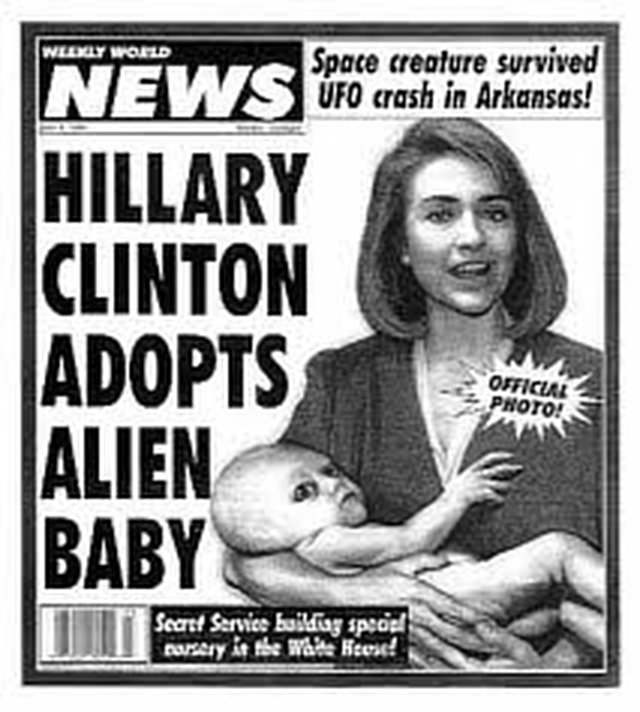
If you really look at this "fake news" stuff, yeah there's some talk that it's being secretly funded by foreign governments to mess with US elections, but for the most part, it's a product of economic disparity in a globalized world. Most of this stuff comes from shops set up in rural Macedonia, where low-level gangsters pay school children to write (or even just copy and paste) stories about the US elections in their off hours. With the advent of online advertising, you don't need any actual substance, just a headline click-baity enough to draw interest. People get paid for the eyeballs on the ads - that's all that matters. Fake news is no different than kitten videos or clever memes - it's just content meant to make someone money.
It might be poor satire, but it's certainly inventive - well, some of it - the best fake news is genuinely creative and clever, people make up stories that other people want to read. We live in a world where almost everyone universally doubts the bias of the press, even historic, well-established journalistic brands - even if a fake news site bills itself as real news, people are conditioned not to trust media. Heck, even fake news sites like the Onion that are overtly up-front about the fakeness of their news still end up getting retweeted by actual elected officials.
The problem is not some masquerading pseudo-journalist who's really a fourth grader in Gostivar (look it up); the problem is us. The great Western Individualism that we've come to know and love (and claim is the reason much of those who hate us hate us) has led us to be self-absorbed egotists, assuming that our common sense is the closet approximation to truth. We're also lazy. It doesn't take much in this internet age to research a story and then utilize that profound common sense with, you know, a basic level of information. It's the same internet these fake news sites mine to figure out what stories we might click on and then provide them to us.
If you listen to any of the numerous reporting pieces on fake news, you can hear interviews with these kids and their bosses. They're not interested in shaping US policy (although they take pride in the fact that they are), they just want to make money. If people click on Trump stories, they'll write Trump stories. It's industrious and inventive and intelligent - all things you need to be to avoid falling for this kind of news.
I hear all this hand-wringing from people lamenting the place fake news held in the recent election and I've heard nothing about the responsibility of a society to educate its people and motivate them to perform basic functions. It's not like you have to drive down to some college library to look up economic charts from the past five years - you type a couple words into google and you click on a few "about us" tabs and then you click on google a few more times to verify the information you're finding.
Yeah, it's not perfect, but the more information one has the better capable we are of making real, informed choices. Not doing the work to be informed is our fault, not someone else's.
I love fake news. If I'd had time and a little more internet marketing savvy, it sounds like a fun way to make some money. I like writing. I'm pretty creative. I'm pretty knowledgeable about the political landscape. I bet I'd be really good at it. About ten years ago, when I had a break from grad school, I'd go onto Yahoo Answers and write long, details answers to questions that were entirely false. For example, one girl was trying to get help with her homework on Romeo and Juliet and I described in 1500 words, the plot of A Streetcar Named Desire (I just used the names Romeo and Juliet instead of Stanley and Stella).
There's really no excuse for believing something just because it sounds good. I imagine it has to do with our aversion to suffering - we only work as much as we have to work, and we try to avoid it as much as possible. Talk to a middle school teacher sometime - one of the most difficult things to teach is research - good research - it's too easy to get into a mindset of "it says this somewhere" and "their opinions is as valid as anyone else's." I don't disagree with the opinion part, but there's a certain level of knowledge that's assumed. Opinions are equally valid when they come from the same level of knowledge. My opinions on the origin of black holes is not nearly as valid as that of Neil DeGrasse Tyson. If I were ever going to disagree with him, I'd have to do a lot of actual work to gain the kind of knowledge I'd need to do so.
That or I could just tweet some fake news at him.
Sadly, in the court of public opinion, that would probably be enough to win the argument. But that's not my fault; it's the fault of all those people who believe me. Don't penalize creative people exercising their gifts for a better economic future. Let's pull the plank out of our own eye before we go after the speck in someone else's. I feel like that's good advice I heard somewhere once.
